PQQ DISODIUM SALT POWDER (5 GRAMS)
$49.99
PQQ Disodium Salt is sold for laboratory research use only. Terms of sale apply. Not for human consumption, nor medical, veterinary, or household uses. Please familiarize yourself with our Terms & Conditions prior to ordering.


- Description
- Additional information
Description
PQQ Disodium Salt Nootropic Powder


| CAS Number | 122628-50-6 |
| Other Names | Methoxatin disodium salt, Methoxatin Disodium, PYRROLOQUINOLINE QUINONE DISODIUM SALT |
| IUPAC Name |
Disodium;2-carboxy-4,5-dioxo-1H-pyrrolo[2,3-f]quinoline-7,9-dicarboxylate
|
| Molecular Formula | C₁₄H₄Na₂O₈ |
| Molecular Weight | 374.17 |
| Purity | ≥99% Pure (LC-MS) |
| Powder Availability |  5 grams |
| Storage | Store cold between 2º – 8º C |
| Terms | All products are for laboratory developmental research USE ONLY. Products are not for human consumption. |
What is PQQ?
Pyrroloquinoline quinone (PQQ) is a naturally occurring redox-active compound that has attracted interest as a potential nootropic and neuroprotective agent because of its effects on mitochondrial function, antioxidant activity, and neuronal health. PQQ is a water-soluble quinone compound found in small amounts in various foods and is commonly studied as its disodium salt, pyrroloquinoline quinone disodium salt. Its proposed cognitive effects are thought to be related in part to its ability to support mitochondrial biogenesis and cellular energy metabolism while limiting oxidative stress, processes that are important for maintaining normal brain function. Preclinical research has also suggested neuroprotective effects, including protection against neurotoxic insults and enhancement of nerve growth factor expression, while animal studies have reported improvements in learning and memory.
Main Research Findings
1) PQQ was found to reduce the progression of obesity and decrease the accumulation of fat.
2) Administration of PQQ was shown to improve brain function in multiple patient populations.
Selected Data
1) The article by Mohamad Ishak and Ikemoto was a review article that synthesized findings from previously published animal, cell-culture, and human studies to evaluate the potential role of pyrroloquinoline quinone (PQQ) in preventing fat accumulation, reducing obesity progression, and mitigating obesity-associated metabolic complications. The stated focus was specifically on PQQ properties that could be applied to obesity management, with particular attention to its effects on lipid metabolism, mitochondrial function, inflammation, developmental programming, and gut microbiota. The review primarily emphasized recent evidence from multiple animal and cell-culture studies while also considering the limited human evidence available [1].
The researchers began by establishing the biological characteristics of PQQ and its potential relevance to metabolic health. They reviewed literature describing PQQ as a redox-active compound with antioxidant properties and discussed evidence that PQQ can stimulate mitochondrial biogenesis. Particular attention was given to pathways involving PGC-1α, AMPK, NAD+/NADH, and sirtuins because these pathways are associated with energy metabolism, fatty-acid oxidation, and mitochondrial function. The review also considered evidence that PQQ may influence inflammatory signaling and oxidative stress. This mechanistic background was used to frame PQQ as a potential intervention for obesity, in which excessive fat accumulation, mitochondrial dysfunction, oxidative stress, inflammation, insulin resistance, and abnormal lipid metabolism interact with one another.
For the principal obesity-related evidence, the researchers organized findings from animal and cellular models according to experimental model, dietary conditions, PQQ dose, treatment duration, and major outcomes. Table 1 summarizes several animal studies involving C57BL/6J mice, Sprague-Dawley rats, Hy-line hens, and female mice and their offspring. The animal models included high-fat diets, high-fat/high-fructose diets, Western diets, and exposure to benzyl butyl phthalate (BBP). PQQ administration varied substantially between studies. For example, male C57BL/6J mice receiving a high-fat diet were treated with 20 mg/kg/day of PQQ for six weeks, while obese Sprague-Dawley rats received either 10 or 20 mg/kg/day for five weeks following ten weeks of diet-induced obesity. Other studies evaluated maternal supplementation or lower PQQ concentrations administered through drinking water. This approach allowed the review to compare PQQ effects across different dietary models, species, doses, and treatment periods rather than relying on a single experimental paradigm [1].
The review also incorporated cell-culture studies to examine mechanisms underlying the observations made in animals. One major model was the 3T3-L1 mouse adipocyte system, in which differentiated adipocytes were exposed to 0, 50, 100, or 200 nM PQQ for 48 hours. Another model used primary chicken hepatocytes exposed to free fatty acids to induce steatosis or hydrogen peroxide to induce oxidative stress, followed by PQQ treatment at concentrations ranging from 50 to 400 nM. These models allowed investigators from the reviewed studies to evaluate changes in lipid accumulation, lipid-droplet size, lipogenesis, mitochondrial biogenesis, lipid metabolism, antioxidant capacity, and cellular injury. The research team used these findings to connect whole-animal changes in fat accumulation with cellular mechanisms involving AMPK, PGC-1α, and TFAM.
A further component of the review examined PQQ in developmental programming and gut microbiota. Maternal PQQ supplementation was reviewed in studies in which obese female mice and their offspring were exposed to high-fat or Western diets. The researchers considered both prenatal and postnatal supplementation and evaluated outcomes involving body fat, hepatic fat, steatosis, lipid metabolism, and inflammatory processes in offspring. The review also incorporated research investigating changes in the gut microbiota, particularly alterations in the Firmicutes/Bacteroidetes ratio. In addition, the research team reviewed evidence concerning PQQ and obesity-associated complications, including non-alcoholic fatty liver disease, type 2 diabetes, chronic kidney disease, and inflammatory dysfunction [1].
Finally, the researchers considered studies examining PQQ in combination with atorvastatin and the limited human literature. The atorvastatin-related evidence involved PQQ and atorvastatin administered at 10 or 20 mg/kg in obese rats. Human studies were not designed specifically to treat obesity, but the researchers included a study of 10 young adults receiving short-term PQQ supplementation and another involving 29 adults receiving 20 mg/day for 12 weeks. These studies were used to provide preliminary information about mitochondrial metabolism, inflammatory markers, and lipid profiles in humans. Overall, the methodology of the article was therefore a narrative synthesis of previously published evidence, organized around the major biological processes through which PQQ might influence obesity [1].
2) The study by Tamakoshi et al. investigated whether daily supplementation with PQQ could improve cognitive function in healthy adults across a relatively broad age range. The investigators specifically sought to address a limitation of previous PQQ research, which had primarily examined middle-aged and older adults. The study was designed as a double-blind, placebo-controlled clinical trial involving healthy adults between 20 and 65 years of age. Participants received either PQQ or a visually similar placebo capsule once daily for 12 weeks. Each PQQ capsule contained 20 mg of PQQ, along with 224 mg of starch and 5 mg of calcium stearate. The placebo capsule contained 224 mg of starch and 5 mg of calcium stearate but no PQQ. Participants were instructed to take one capsule with water after breakfast every day. The capsules were designed to have similar appearances to maintain blinding. Participants were evaluated at three time points: baseline, or week 0, followed by week 8 and week 12 after beginning supplementation. Dynamic allocation was used to randomize participants into the PQQ and placebo groups, while the person responsible for food allocation maintained the allocation table and ensured that blinding was preserved among the other individuals involved in the study [2].
The researchers recruited individuals who were considered generally healthy and capable of maintaining a relatively consistent lifestyle during the experimental period. Eligibility required participants to be between 20 and 65 years old, have no serious illness, and demonstrate normal cognitive function, defined by a Mini-Mental State Examination (MMSE) score of at least 24. Participants were selected regardless of sex, and individuals with mild chronic diseases such as hypertension or hyperlipidemia could participate at the investigator’s discretion. Preliminary assessments included blood testing, MMSE testing, measurements of height and body weight, and comprehensive body-composition measurements. Individuals were excluded if they had serious liver or kidney disease, cardiovascular disease, respiratory or endocrine disorders, diabetes, food or drug allergies, cancer, dementia, mental illness, or gelatin allergy. Pregnant or nursing women, individuals intending to become pregnant during the study, people who had consumed PQQ during the previous three months, and individuals judged unsuitable by the study physician were also excluded. Blood and urine testing was performed before the intervention and again at weeks 8 and 12 [2].
Cognitive performance was evaluated using Cognitrax, a computerized neurocognitive assessment developed by CNS Vital Signs. The researchers selected this test because it provides standardized measurements across multiple domains of cognitive function rather than assessing only one particular ability. Fifteen cognitive functions were examined: composite memory, verbal memory, visual memory, psychomotor speed, reaction time, complex attention, cognitive flexibility, processing speed, executive speed, social acuity, reasoning, working memory, sustained attention, simple attention, and motor speed. Participants completed the cognitive testing at baseline, week 8, and week 12. The researchers subsequently divided participants into three analytical categories based on age: an All group consisting of adults 20–65 years old, an Old group consisting of adults 41–65 years old, and a Young group consisting of adults 20–40 years old. This age-stratified approach allowed the investigators to determine whether PQQ affected cognitive domains differently depending on age.
The study also incorporated statistical and machine-learning approaches to analyze the cognitive data. Conventional statistical analyses were performed and machine-learning analyses were conducted using scikit-learn 0.23.2. For the primary analyses, the researchers calculated means, standard deviations, and P-values describing changes in cognitive scores before and after PQQ supplementation in comparison with placebo. In addition to analyzing individual cognitive domains, the investigators used logistic regression to determine whether the overall pattern of the 15 Cognitrax measurements could distinguish participants who received PQQ from those who received placebo. The cognitive data were divided into training and testing datasets, and five-fold stratified cross-validation was used. The approach was intended to determine whether the combined cognitive profile contained enough information to probabilistically identify PQQ intake rather than relying solely on individual cognitive tests [2].
Discussion
1) The evidence reviewed by researchers Mohamed Ishak and Ikemoto indicated that PQQ has potential to reduce fat accumulation and improve several metabolic abnormalities associated with obesity, although the strength of evidence varied substantially among experimental models. One of the primary findings was that PQQ reduced visceral and hepatic fat accumulation in animal models of diet-induced obesity. In male C57BL/6J mice fed a high-fat diet containing 60% of calories from fat, six weeks of PQQ supplementation at 20 mg/kg/day significantly attenuated total body fat and visceral fat volume. In another mouse model involving high-fat diet and BBP exposure, PQQ reduced body-weight gain and liver weight in males and restored metabolites associated with mitochondrial beta-oxidation. The research team noted, however, that responses in female mice were less consistent, which they attributed to differences in hormonal status and susceptibility to the endocrine-disrupting exposure [1].
Comparable findings were reported in other animal models. In obese Sprague-Dawley rats, five weeks of PQQ administration at 10 or 20 mg/kg/day reduced intra-abdominal fat and liver weight. PQQ also improved serum lipid profiles and glucose tolerance. Importantly, these studies demonstrated changes in molecular markers associated with mitochondrial biogenesis, including increased PGC-1α, SIRT1, and TFAM. In the rat experiments combining PQQ with atorvastatin, the combination also reduced inflammatory markers and components of the NLRP3 inflammasome. In hens, PQQ reduced liver fat content and suppressed the progression of steatosis while improving lipid metabolism and antioxidant capacity. Collectively, these results suggested that PQQ’s effects were not limited to reducing body fat but extended to improvements in metabolic and hepatic function.
The review identified mitochondrial biogenesis and lipid metabolism as major mechanisms underlying the anti-obesity effects of PQQ. PQQ increased PGC-1α expression and was associated with regulation of PGC-1α, NRF1, and TFAM through AMPK signaling. These changes were interpreted as evidence of enhanced mitochondrial biogenesis and oxidative metabolism. PQQ also improved beta-oxidation, the mitochondrial process responsible for breaking down fatty acids for energy production. In diet-induced obese animals, PQQ was associated with reductions in triglycerides, total cholesterol, and LDL cholesterol, while metabolites important for mitochondrial energy production were restored. The researchers therefore proposed that PQQ reduces fat accumulation partly by shifting metabolism toward greater fatty-acid oxidation and mitochondrial energy utilization [1].
At the same time, PQQ appeared to suppress lipogenesis, the process through which new fatty acids are synthesized and stored as triglycerides. In 3T3-L1 adipocytes, PQQ reduced total lipid content and lipid-droplet size. Mechanistically, PQQ activated AMPK and increased phosphorylation of acetyl-CoA carboxylase 1 and sterol regulatory element-binding protein 1c. These changes were associated with reduced expression of lipogenic genes and fatty acid synthase. Thus, the reviewed evidence supported a two-sided metabolic effect: PQQ could potentially decrease the production and storage of new fat while simultaneously enhancing mitochondrial pathways involved in fatty-acid breakdown.
Another major finding involved the effects of PQQ on obesity programmed across generations. Maternal supplementation with PQQ in obese mice reduced body and hepatic fat accumulation in offspring. PQQ also increased genes associated with beta-oxidation and reduced uterine triglyceride accumulation. In offspring exposed to a Western diet, PQQ substantially reduced hepatic steatosis. These findings suggested that PQQ may exert long-lasting effects on metabolic programming during development. However, the researchers emphasized that the evidence was insufficient to support supplementation recommendations for pregnant or lactating women or children [1].
PQQ also demonstrated potential effects on the gut microbiota and obesity-associated inflammation. In mouse studies, PQQ improved microbiota composition and reversed diet-associated changes involving decreased Bacteroidetes and increased Firmicutes. The research team connected these findings to the broader relationship between gut microbiota, obesity, and inflammatory signaling, although they emphasized that relatively few studies had directly examined PQQ’s effects on the microbiome. PQQ additionally reduces oxidative stress and inflammatory signaling. In obese rats, five weeks of treatment decreased circulating IL-18, IL-1, TNF-α, and IL-6, while other studies demonstrated reductions in NLRP3 inflammasome and caspase-1 expression. These findings suggest that PQQ may interrupt the cycle linking oxidative stress, mitochondrial dysfunction, and chronic low-grade inflammation during obesity [1].
The review further found evidence that these effects may extend to obesity-associated metabolic diseases. PQQ was associated with improved insulin-related metabolism and activation of NFE2L2 signaling in high-glucose-treated human renal tubular cells. In maternal-obesity models, PQQ reduced ROS levels and NLRP3 activation and protected fetal kidney and liver tissue from lipotoxicity and inflammation. The researchers therefore proposed that improved mitochondrial function, reduced oxidative stress, and suppression of inflammation could help limit the development of NAFLD, type 2 diabetes, and CKD [1].
2) The results of the study by Tamakoshi et al. demonstrated that 12 weeks of daily PQQ supplementation was associated with improvements in several measures of cognitive performance, although the specific domains affected differed according to age. Across the full population of adults aged 20–65 years, the most prominent improvements occurred in composite memory and verbal memory. Composite memory incorporates both verbal and visual memory, whereas verbal memory specifically reflects the ability to remember words. The researchers reported statistically significant improvements in composite memory following PQQ supplementation, as well as a significant improvement in verbal memory. These findings represented the principal cognitive effects observed when the entire study population was considered together [2].
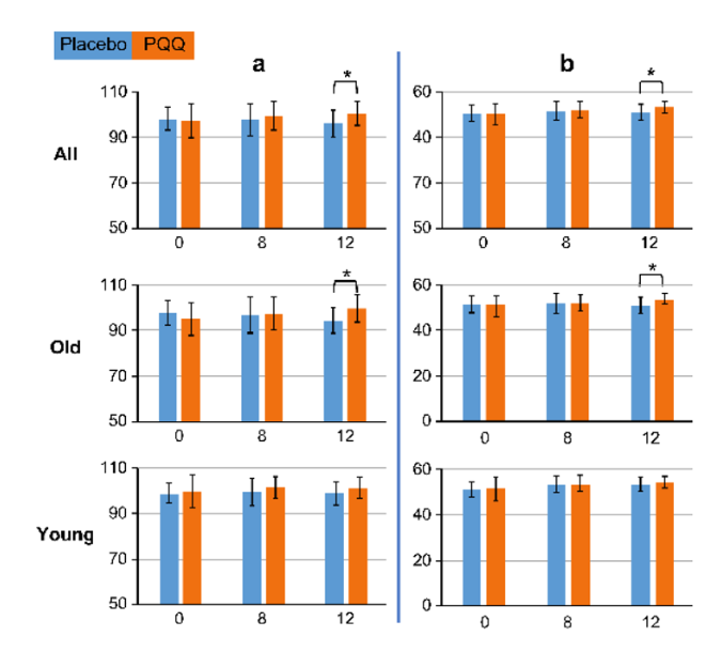
Figure 1: Changes in composite and verbal memory in the patient populations following PQQ treatment.
The age-stratified results showed that the cognitive effects of PQQ were not identical in younger and older adults. Among participants in the older group, defined as individuals 41–65 years old, PQQ supplementation produced significant improvements in both composite memory and verbal memory after 12 weeks. Both composite and verbal memory improved in a statistically significant manner. In contrast, the younger group did not demonstrate a significant difference in either composite memory or verbal memory. The researchers suggested that this may have been related to the younger participants having relatively strong memory performance at baseline, leaving less room for measurable improvement. Thus, the memory-related benefits of PQQ were particularly evident among older participants and became apparent after the full 12-week intervention period [2].
Interestingly, younger adults demonstrated significant improvements in several speed- and flexibility-related cognitive functions. At eight weeks, participants aged 20–40 years showed significant improvements in cognitive flexibility, processing speed, and executive speed. Cognitive flexibility refers to the ability to adapt responses when instructions or rules change, while processing speed reflects the ability to process information rapidly. Executive speed involves understanding rules or concepts and making decisions based on them. Cognitive flexibility improved significantly in the PQQ group at both eight and 12 weeks. Processing speed improved significantly at eight weeks, whereas the effect was not significant at 12 weeks. Executive speed showed significant improvement at both eight and 12 weeks. These findings contrasted with the memory effects seen in older adults and suggested that different cognitive domains may respond to PQQ at different ages.
The researchers also evaluated whether the overall pattern of cognitive performance could distinguish PQQ-treated participants from placebo-treated participants using logistic regression. When all 15 Cognitrax cognitive measures were considered together, the analysis produced a correct classification rate of approximately 0.57 at eight weeks and 0.67 at 12 weeks using the specified training and testing procedure. The research team interpreted the increase from eight to 12 weeks as evidence that the distinction between the PQQ and placebo groups became clearer with longer supplementation. These findings indicated that the combined cognitive profile contained information capable of differentiating the groups beyond the results of individual cognitive domains [2].
The age-specific logistic-regression analysis produced particularly strong group separation. In the younger group, the logistic-regression score reached 1.000 at eight weeks, indicating that the combined cognitive-test pattern strongly distinguished PQQ recipients from placebo recipients in that subgroup. The older group’s logistic-regression score increased from 0.788 at eight weeks to 1.000 at 12 weeks. These findings were interpreted by the researchers as evidence that PQQ-related cognitive changes could be detected from the combined pattern of cognitive performance and that the timing of these changes differed between age groups.
The investigators proposed several possible explanations for the observed age-related differences. They suggested that younger adults may experience cognitive changes more rapidly because of higher basal metabolic activity and more active mitochondrial function. Since PQQ has previously been associated with mitochondrial activation and antioxidant activity, the researchers hypothesized that younger individuals with relatively active metabolism could experience earlier changes in cognitive performance. They also proposed that increased metabolism could increase reactive oxygen species production, potentially creating a setting in which PQQ’s antioxidant properties become relevant. In addition, the research team noted that younger adults may have cognitive strengths centered more heavily on processing speed and flexibility, whereas older adults may experience greater age-related changes in memory. Consequently, PQQ may have influenced the cognitive domains most capable of showing change within each age group [2].
Overall, the researchers concluded that PQQ supplementation produced measurable improvements in cognitive function in both younger and older adults, but the type and timing of improvement differed with age. Younger adults demonstrated improvements primarily in cognitive flexibility, processing speed, and executive speed within approximately eight weeks, whereas older adults showed improvements in composite and verbal memory after 12 weeks. Across the entire 20–65-year-old population, composite and verbal memory were significantly improved after 12 weeks. The logistic-regression findings further supported the presence of distinguishable cognitive patterns between PQQ and placebo groups. The research team consequently proposed that PQQ may have broader effects on brain function than suggested by previous studies focused primarily on older populations, while acknowledging that the study’s conclusions are based on this specific clinical trial and its cognitive testing framework [2].
Disclaimer
**LAB USE ONLY**
*This information is for educational purposes only and does not constitute medical advice. THE PRODUCTS DESCRIBED HEREIN ARE FOR RESEARCH USE ONLY. All clinical research must be conducted with oversight from the appropriate Institutional Review Board (IRB). All preclinical research must be conducted with oversight from the appropriate Institutional Animal Care and Use Committee (IACUC) following the guidelines of the Animal Welfare Act (AWA).
Citations
[1] Mohamad Ishak NS, Ikemoto K. Pyrroloquinoline-quinone to reduce fat accumulation and ameliorate obesity progression. Front Mol Biosci. 2023;10:1200025. Published 2023 May 5. doi:10.3389/fmolb.2023.1200025
[2] Tamakoshi M, Suzuki T, Nishihara E, Nakamura S, Ikemoto K. Pyrroloquinoline quinone disodium salt improves brain function in both younger and older adults. Food Funct. 2023;14(5):2496-2501. Published 2023 Mar 6. doi:10.1039/d2fo01515c
PQQ Disodium Salt is sold for laboratory research use only. Terms of sale apply. Not for human consumption, nor medical, veterinary, or household uses. Please familiarize yourself with our Terms & Conditions prior to ordering.


| File Name | View/Download |
| 02-11-2024-Umbrella-Labs-PQQ-Disodium-Salt-Certificate-Of-Analysis-COA.pdf |  |
VIEW CERTIFICATES OF ANALYSIS (COA)
Additional information
| Weight | 4 oz |
|---|---|
| Dimensions | 1.5 × 1.5 × 1.5 in |
| Weight | 1 Gram, 5 Grams, 10 Grams |